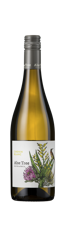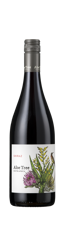
Aloe Tree
Cool nights and sea breezes combine to extend the growing season, resulting in perfectly balanced, ripe grapes. The iconic Aloe Tree image is sure to be familiar to anyone who has travelled widely through the Cape and is an important part of the biodiversity which South Africa is famous for. The characteristic silhouette provides a backdrop to one of the most spectacular wine regions in the world where wines grow in harmony with the thousands of plant species that make up the Cape Floral Kingdom.
Viticulture
Grapes are sourced from selected vineyard blocks along the Cape’s west coast, where cool nights and sea breezes extend the growing season and promote balanced ripening. Soils are typically Karoo clay, contributing body and texture to the wines, while vine age ranges from around 10 to 25 years. Vineyard management includes yield control, canopy work and careful harvesting, all aimed at producing ripe, flavourful fruit with good natural acidity.
Winemaking
Winemaking is straightforward and focused on preserving fruit purity and accessibility. Grapes are gently pressed with only free‑run juice used, followed by temperature‑controlled fermentation using selected yeasts. White wines are often aged briefly on lees to enhance texture, while reds see short maturation in French oak to add structure, resulting in wines that are balanced, fruit‑forward and easy to enjoy.
Highlights
- Approachable, fruit‑driven wines that reflect South Africa’s coastal terroir.
- Maritime climate and clay soils contribute to balanced ripening, texture and aromatic intensity
- Clean, modern winemaking with subtle lees ageing and light oak influence ensures freshness and drinkability.