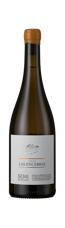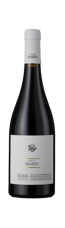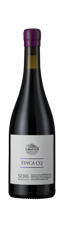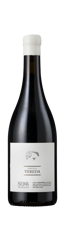
Bruma del Estrecho de Marin
Each wine comes from a different plot and expresses its startling individuality through microclimate, soil, aspect and age of the vines. The proojects spans two locations (Marín and Las Encebras), three specific plots (Mandiles, Vereda and Particiones) and one estate (Casa Quemada).
Viticulture
Bruma del Estrecho draws on organically farmed Monastrell parcels across the varied soils of Jumilla, where sandy, stony and limestone terrains shape freshness, structure and warmth respectively. Deep‑rooted, largely ungrafted old vines in the Estrecho de Marín valley provide natural balance and resilience, thriving in this warm, arid zone softened by the morning bruma. Traditional goblet pruning, wide spacing and minimal intervention support a sustainable approach, with fruit only used when a plot genuinely reflects its terroir—an ethos central to the project’s organic mindset and authenticity.
Winemaking
In the cellar, Bruma del Estrecho follows a consciously low‑intervention path that aligns with its organic philosophy. Native‑yeast fermentations and the use of neutral vessels—concrete, demijohns and large foudres—ensure each vineyard’s identity remains unclouded. Ageing is only applied when it enhances rather than obscures terroir expression, with subtle oak and revived concrete tanks polishing texture while preserving purity. The result is an honest, site‑driven style that prioritises clarity, finesse and a faithful reflection of Jumilla’s varied landscapes.
Highlights
- Jumilla at its most expressive and authentic … wines which speak of the soil and location more than the grape variety.
- Elena Pacheco and Isio Ramos are masters at identifying specific vineyards sites with which to make these precise and definitive expressions of the Monastrell grape.
- Ultimate respect is given to the land and these precious old vines which struggle and survive in this hot arid region … ‘extreme viticulture’ is not too dramatic a description!