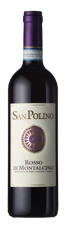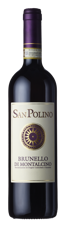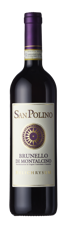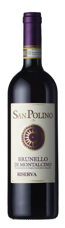
San Polino
Using Luigi’s scientific experience of mapping the Amazon rainforest, the pair set out to create wines that would be “complete reflections of the biodiversity of their terroir”, as Katia puts it. This state of only 9ha is farmed biodynamically by this energetic couple, who have poured their heart and soul into producing a range of truly luscious and balanced wines. Praised by critics and peers alike, these wines have been described as having “an incredible clarity and pureness of fruit that is unequalled in the region”.
Viticulture
Using a variety of organic agricultural techniques, they farm 5 hectares dedicated to their Brunello Helichrysum (the vineyard surrounding the farmhouse), and 4.5 hectares in the North- East of Montalcino dedicated to their Rosso and Brunello di Montalcino. The geology and soils of the vineyards vary from late Miocene to early Pliocine, from ancient sea beds to volcanic soils. Limey shale, clay, sandy loam, mineral rocks are all found in different proportions in the different vineyards ; and each soil type and altitude tells its story in the characteristics and personality of the grapes and wine. They have an holistic approach to viticulture believing that they must respect and encourage all biodiversity possible in the vineyard, as the larger the pool of diversity, the greater possibility for natural pest control and the healthier the grapes. To fertilise the fields they produce their own compost using the stalks of the grape bunches, the pressed grape skins, all the green cuttings, from grass to prunings and animal dung. Grasses and beans are planted to add nitrogen and nutrients to the soil.
Winemaking
All grapes are hand-picked, with rigorous selection taking place directly among the rows. Fermentations occur naturally, driven solely by the ambient yeasts present on the grape skins and in the cellar. Vinification takes place in stainless steel, with no added nutrients or winemaking aids, and temperature is adjusted only when absolutely essential. Maturation unfolds in large Slavonian oak casks and seasoned French tonneaux. Sulphur use is kept to a minimum and bottling is carried out without filtration, preserving the purity, texture and vitality of the wine. Every stage—from vine to bottle—happens on the estate, giving the team complete oversight and allowing each cuvée to be nurtured with meticulous care. Annual production is limited to 25,000 to 35,000 bottles, ensuring they remain hands-on and true to their philosophy.
Highlights
- Certified organic and working bio dynamically as well as hand harvesting.
- The vineyards are surrounded by forests and shrubland enhancing the biodiversity.
- Minimal intervention with spontaneous fermentation on native yeasts.