

A day at the Sustainability in Drinks Conference
20th October 2026
The Sustainability in Drinks Conference (SID) began as a joint initiative between Judy Kendrick and Janet Harrison, both experienced drinks industry event organisers, with support from sustainability consultants Anne Jones and Fran Draper.
Now in its third edition, this one-day event brings together experts to discuss the everyday challenges encountered by wine importers, distributors, producers, retailers, and hospitality businesses.
I attended this year and came away encouraged by some of the topics covered, the direction the conversation seems to be headed, and with a few thoughts on where it could go next.
Regenerative viticulture
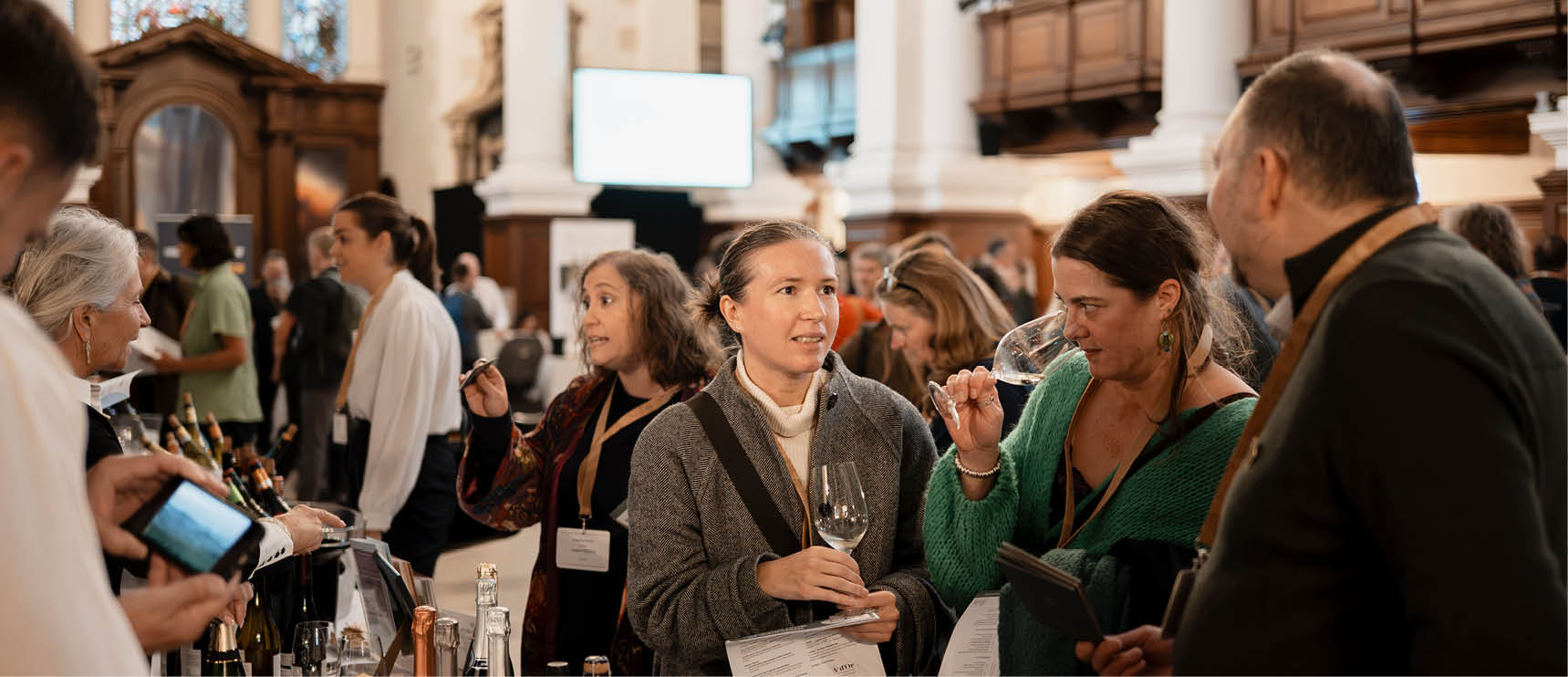
Regenerative practices featured prominently, with a striking number of panels and workshops on the subject – a clear sign of how much interest it is generating. Alongside regular contributors such as the Regenerative Viticulture Foundation (RVF) and International Wineries for Climate Action (IWCA), the organisers added much-needed research and scientific credibility to the programme, with specialist researchers from the University of Oxford who work in the area of environmental models that enable people to gain a deeper understanding of the environmental performance of farms. For me, it was genuinely encouraging to finally hear experts championing the use of science-based platforms and data infrastructure to monitor, manage and improve the environmental sustainability of winegrowing and wine production.
Beyond soil health
Until now, the industry has relied mainly on soil sampling to understand how different farming practices affect soil quality.
Soil analysis is, of course, a critical component of vineyard sustainability assessment, providing direct evidence of soil health and regenerative outcomes. However, it offers only a partial view of environmental performance and can be costly and time-consuming to carry out at scale. Data-based methodologies complement soil analysis by evaluating broader environmental impacts such as emissions, water use, nutrient management, and biodiversity pressures, using existing operational data. Combining the two delivers a more complete, cost-effective, and actionable understanding of sustainability performance.
The same conclusion is echoed in IWCA’s Soil Organic Carbon (SOC) Sequestration Compilation Project.
The project brings together, for the first time, vineyard SOC sequestration projects conducted by members of IWCA, together with partners from The Porto Protocol Foundation, Association of Regenerative Viticulture (AVR), and the RVF. Its aim is to improve the understanding, comparability and harmonisation of SOC methodologies across the wine sector.
One of its key findings is that soil analysis alone gives an incomplete picture, and that a combination of approaches is needed to understand vineyard sustainability fully.
Given the complexity of this field, I believe it demands genuine scientific expertise. The design, interpretation and validation of carbon sequestration studies should ideally be led by experienced researchers, preferably at PhD level, to ensure the results are robust, credible and defensible.
Water management
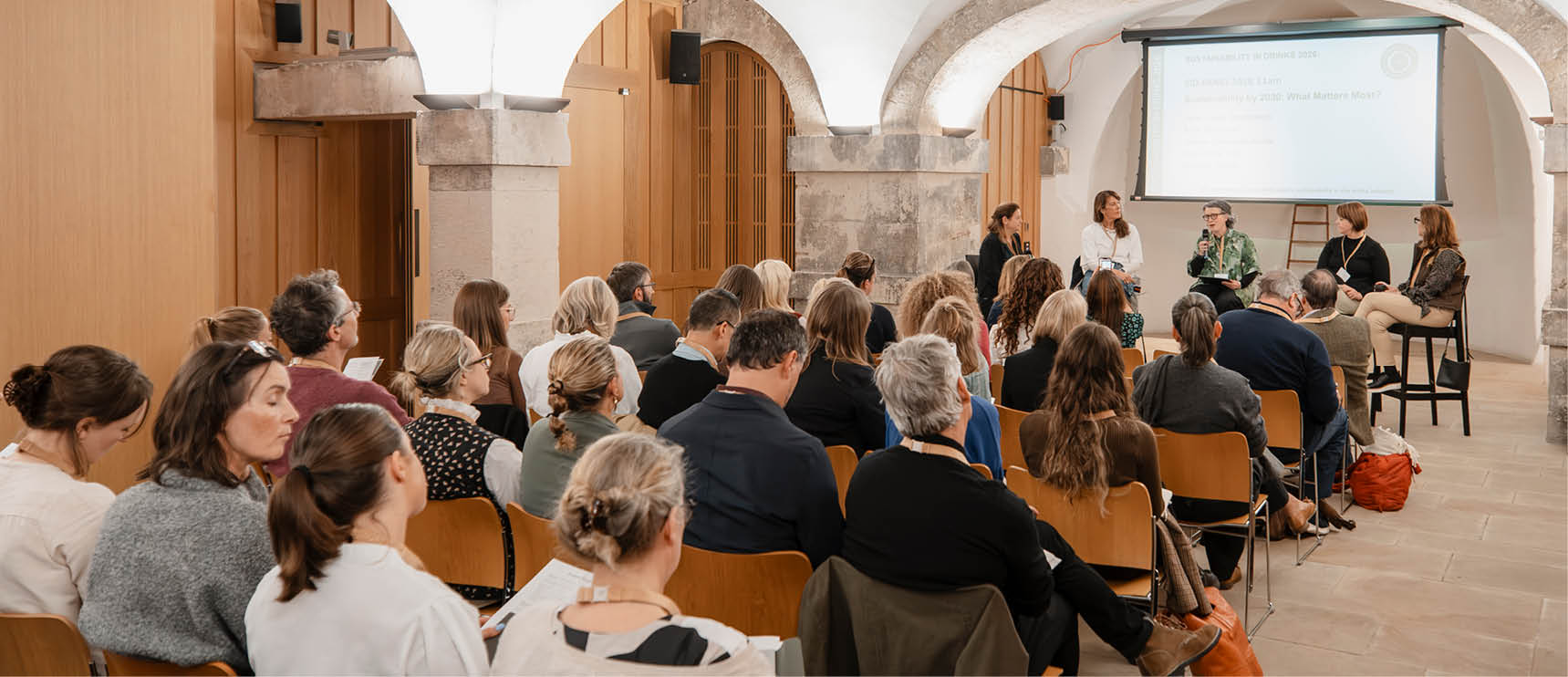
Water circularity prompted some of the day’s most interesting discussions, and we were pleased to join the panel alongside several other wineries. The panel made clear that water scarcity is no longer confined to traditionally arid wine regions such as Argentina; rising temperatures and insufficient rainfall are making it a pressing issue across southern Europe too. Encouragingly, there is no shortage of creative solutions for using water more efficiently across all sectors, managing water resources responsibly and reducing wastewater pollution – a topic too often overlooked in discussions of waste management.
Where to next
SID has evolved positively since its first edition, and sustainability is clearly growing in importance. But if the event is to keep moving forward, it needs to continue broadening the diversity of its participants. That means actively bringing new voices to the table and creating opportunities for organisations and practitioners delivering high-impact sustainability initiatives to share their experience.
There is a perception that the same experts and organisations tend to reappear across industry events of this kind. While their contributions remain valuable, a greater diversity of perspectives would enrich the discussion and provide attendees with a wider range of practical solutions, experiences, and challenges from across the sector.
Cost is another barrier to more diverse and equitable participation. If the industry is serious about making sustainability accessible and affordable, then events like SID should lead by example, reducing costs to encourage broader representation and ensure that innovative voices, smaller organisations and growers working on the ground have a platform alongside established industry leaders.
Ultimately, progress on sustainability will be accelerated not only through expert debate but by engaging a wider community of people and organisations who are delivering tangible impact and can contribute fresh perspectives to the conversation.
Final thoughts
While sustainability events are becoming an increasingly familiar fixture in the UK calendar - there is a growing number of climate conferences and summits that sustainability professionals shouldn’t miss, such as the London Climate Action Week to Innovation Zero - when it comes to the wine industry specifically the options are far fewer. The Sustainability in Drinks Conference (SID) remains the most relevant of them.
Conference highlights:
A tasting hosted by Jamie Goode, which focused on the under-explored link between regenerative farming and wine quality.
Hearing from specialist researchers from the University of Oxford who work in the area of environmental models.
The Regenerative Accelerator Group was launched by RVF, eight international wine buyers, pledging to build demand for regeneratively farmed wine.
By Marta Juega, PhD, Head of Positive Impact, Alliance Wine.


